
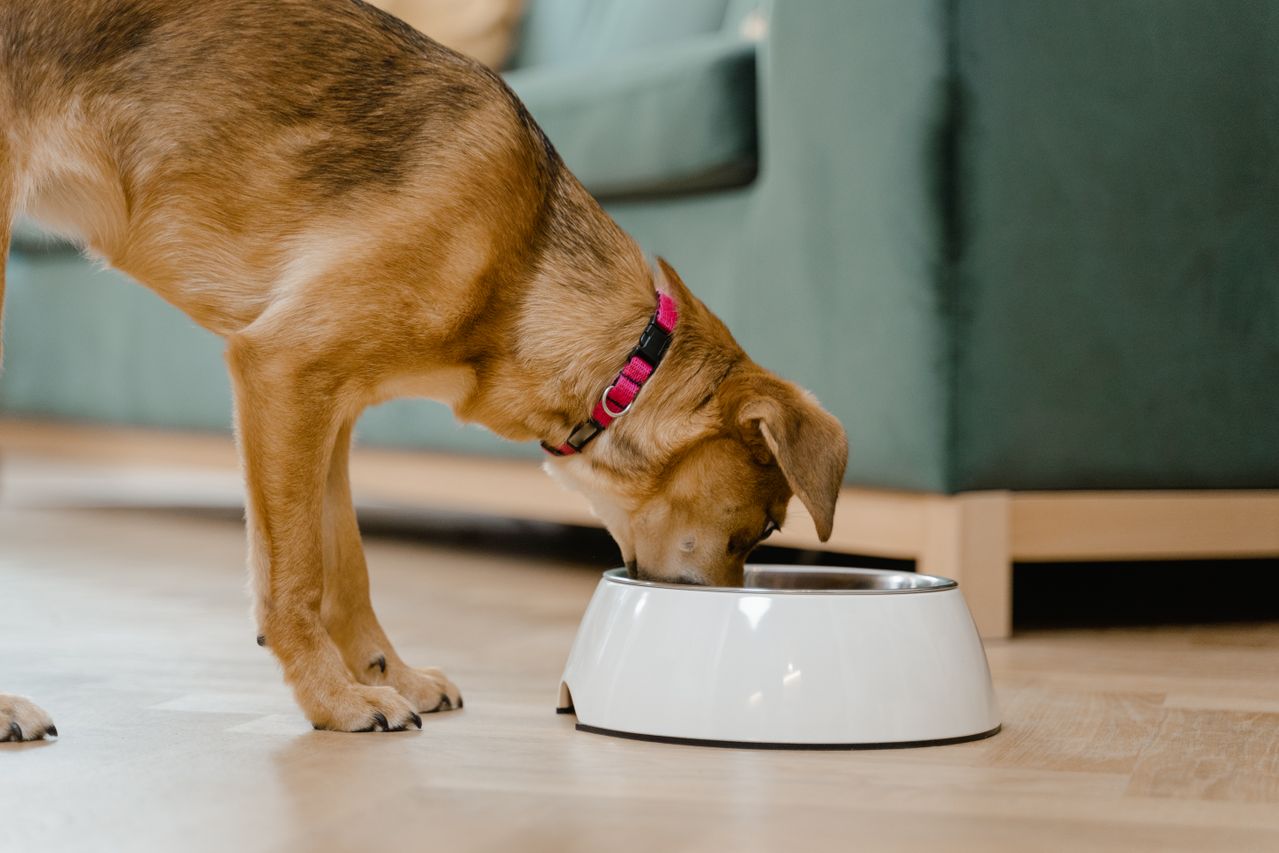
Running out of puppy food can be stressful, especially when your little companion is already waiting beside an empty bowl. Fortunately, if it is only a temporary situation, you can prepare a simple meal using some foods you already have at home.
However, puppies are different from adult dogs. They are growing rapidly and need the right balance of protein, fats, calcium, vitamins, and minerals. So, homemade food should generally be treated as a short-term solution rather than a permanent replacement for a complete puppy diet.
Safe Foods You Can Give Your Puppy
If you have temporarily run out of puppy food, several simple ingredients can work as part of an emergency meal.
1. Plain Cooked Chicken or Turkey
Cooked, unseasoned chicken or lean turkey is a convenient source of protein. Remove all bones and skin before serving, and never add garlic, onion, heavy seasoning, or sauces.
Protein is particularly important for growing puppies because it supports muscle development and overall growth.
2. Cooked Eggs
Plain scrambled or boiled eggs can provide protein and healthy fats. Make sure the egg is thoroughly cooked and do not add butter, salt, spices, or other ingredients.
A small portion can be mixed with another suitable food to make a simple temporary meal.
3. Plain Rice or Oatmeal
Plain cooked white rice, brown rice, or oatmeal can provide carbohydrates and may be relatively easy for some dogs to digest. These foods should not be used alone, though, because grains do not provide all the nutrients a growing puppy requires.
4. Safe Vegetables
Some vegetables can add fiber and nutrients to a puppy's temporary meal. Options include:
- Carrots
- Green beans
- Peas
- Pumpkin
- Sweet potato
- Broccoli
Cook harder vegetables until soft and cut everything into appropriately small pieces. Plain pumpkin can also be useful as a food ingredient, but avoid sweetened or spiced pumpkin products.
5. Certain Fruits
A few fruits can be offered in small amounts as treats or meal additions. Blueberries, bananas, strawberries, and apples without seeds are examples of options that can be suitable for dogs.
Because fruit contains natural sugar, it is better viewed as an occasional addition rather than a major part of your puppy's diet.
6. Plain Yogurt or Cottage Cheese
If your puppy tolerates dairy, a small amount of plain, unsweetened yogurt or cottage cheese may be appropriate. However, some dogs are sensitive to dairy and can develop digestive problems after eating it.
When introducing any unfamiliar food, start with a small amount and watch for vomiting, diarrhea, or other signs of intolerance.
A Simple Emergency Puppy Meal
You do not need to make an elaborate recipe when you are temporarily out of puppy food. A simple combination such as plain cooked chicken, cooked rice, and a small amount of soft vegetables can provide a temporary meal.
Another option is cooked egg combined with plain oatmeal or rice.
The important point is that these combinations are intended as short-term solutions. Commercial puppy foods are formulated to provide a more complete nutritional profile, while a meal made from a few kitchen ingredients may not contain everything a growing puppy needs. Veterinary guidance is particularly important if you want to feed homemade food regularly.
What Foods Should Puppies Never Eat?
Knowing what to avoid is just as important as knowing what is safe. Some common human foods can be dangerous or toxic to dogs.
Never intentionally feed your puppy foods such as:
- Chocolate
- Grapes and raisins
- Onions and garlic
- Xylitol or products containing it
- Raw dough
- Cooked bones
- Highly seasoned foods
- Very salty foods
- Fried or excessively fatty foods
Avocado is also listed among foods that should be avoided for dogs.
Also be careful with leftovers. A piece of plain cooked chicken is very different from chicken covered in spicy sauce, garlic, onion, or excessive salt.
Why Puppies Need a Balanced Diet
A puppy's nutritional requirements are not exactly the same as those of an adult dog. During the growth stage, puppies need adequate protein, fats, calcium, phosphorus, vitamins, and minerals to support developing bones, muscles, organs, and the immune system.
This is why replacing puppy food with homemade meals for weeks or months without professional guidance can be risky. An improperly balanced homemade diet may contribute to nutritional deficiencies or excessive intake of certain nutrients.
If your puppy is underweight, simply giving larger portions is not necessarily the answer. The quality and nutritional density of the food matter too. Learning how to increase puppy weight with the right diet can help you focus on healthy growth rather than just increasing calories.
How to Get Your Puppy Back to Regular Food
Once you have purchased your puppy's normal food again, avoid making frequent sudden changes if possible. A gradual transition can help reduce the chance of digestive upset.
For example, you can gradually increase the proportion of the regular puppy food while reducing the temporary food over several days. Monitor your puppy for diarrhea, vomiting, reduced appetite, or unusual tiredness.
If digestive problems continue, contact your veterinarian rather than continuing to experiment with different foods.
Don't Forget the Rest of Your Puppy's Care
Food is only one part of raising a healthy puppy. Regular veterinary checkups, vaccinations, parasite prevention, exercise, sleep, and monitoring growth are all important.
Keeping track of your puppy's vaccinations is especially important during the early months. Following a puppy vaccination schedule can help you understand when important vaccines are typically due, although your veterinarian should determine the appropriate schedule for your individual puppy.
It is also useful to monitor your puppy's growth over time. Regularly checking body condition and weight can help you notice whether your puppy is growing as expected. A calculate dog weight tool can be useful for tracking weight, but it should not replace veterinary assessment when you have concerns about growth.
When Should You Talk to a Veterinarian?
An occasional emergency meal is usually a very different situation from a puppy that regularly refuses its food or is not gaining weight.
Contact a veterinarian if your puppy:
- Consistently refuses food
- Has repeated vomiting or diarrhea
- Appears unusually weak or lethargic
- Is losing weight
- Is not growing as expected
- Has persistent digestive problems
- Has a known allergy or medical condition requiring a special diet
Young puppies can become dehydrated or unwell more quickly than adult dogs, so persistent symptoms should not be ignored.
Final Thoughts
Running out of puppy food does not necessarily mean your puppy has to go hungry until the next shopping trip. Plain cooked chicken, turkey, eggs, rice, oatmeal, and certain vegetables can provide reasonable temporary options when prepared without harmful ingredients.
The key is to remember that temporary emergency food is not the same thing as a complete puppy diet. Growing puppies have specific nutritional requirements, so their regular food should remain the foundation of their diet unless a veterinarian recommends another feeding plan.
With a little preparation—and a backup supply of your puppy's usual food—you can avoid most last-minute mealtime emergencies while keeping your puppy's nutrition on track.