
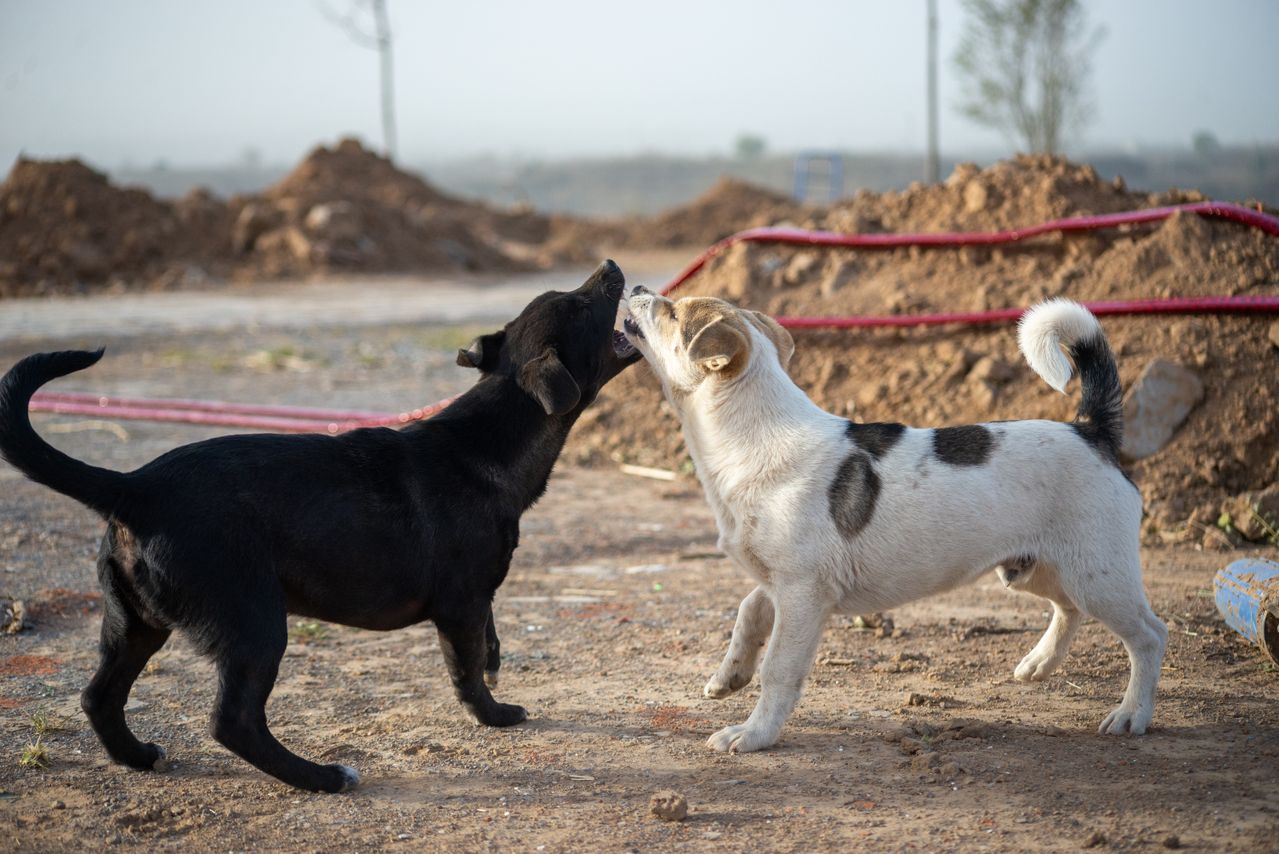
Bringing two dogs together for the first time can be exciting, but it can also make owners nervous. You may hope they will immediately become friends, but dogs do not always work that way. Some will happily greet each other, while others need more time and space before they feel comfortable.
Whether you are bringing home a new puppy, adopting an adult dog, or simply arranging a playdate, the first introduction can influence how the dogs interact in the future. The key is not to rush the process. A calm environment, careful observation and gradual introductions can make the experience much easier for both dogs.
Before Introducing Two Dogs
A little preparation can prevent many problems later. Before the dogs meet, consider their personalities, ages, energy levels and previous experiences with other dogs. An older dog that enjoys quiet time, for example, may need more patience when meeting an energetic puppy.
It is also worth making sure both dogs are healthy and that their vaccinations are appropriate for their age and lifestyle. Young puppies are particularly vulnerable to infectious diseases, so speak with your vet about when and where it is safe for them to meet other dogs. You can also learn more about this in our guide to the puppy vaccination schedule.
If either dog has previously shown aggression, extreme fear or serious anxiety around other dogs, getting advice from a qualified behaviourist before the introduction is a sensible step.
Start With Scent Before a Face-to-Face Meeting
Dogs rely heavily on their sense of smell. Before putting them directly together, you can allow each dog to become familiar with the other's scent.
For example, you can exchange a blanket, toy or another safe item carrying each dog's scent. Let the dog investigate it naturally rather than forcing them to sniff it.
This may seem like a small step, but it gives each dog an opportunity to learn that a new smell is entering their environment before they have to deal with the excitement of a face-to-face meeting.
Choose a Neutral Location
One of the biggest mistakes owners can make is bringing a new dog directly into the resident dog's favourite space and expecting everything to go smoothly.
A neutral outdoor location can be a better starting point. A quiet area with enough room for both dogs to move around gives them more freedom and reduces the feeling that one dog is invading the other's territory.
Ideally, have two people present, with one person handling each dog. Keep both dogs on leads and give them enough distance to remain calm.
Let Them Walk Before They Meet
Instead of immediately putting the dogs nose-to-nose, start by walking them separately but within sight of each other.
Keep enough distance between them so neither dog becomes overly excited or worried. Reward calm behaviour with praise or small treats. As both dogs become more relaxed, gradually reduce the distance.
This approach gives them something else to focus on rather than making the entire experience about the other dog.
Allow a Short, Calm Greeting
Once both dogs appear relaxed, allow them to approach and investigate each other.
Dogs will naturally want to sniff, and this is an important part of how they communicate. You do not need to force them to interact for a long time. A short greeting followed by continued walking can be enough for the first meeting.
If they seem comfortable, you can repeat the process a few times.
The important thing is to watch their behaviour rather than deciding that they must become friends immediately.
Learn to Read Their Body Language
Knowing what your dog is communicating can make introductions much safer.
A relaxed dog may have a loose body, natural movement and a willingness to explore. On the other hand, repeatedly turning away, licking the lips, avoiding eye contact or trying to move away can indicate that a dog is uncomfortable.
More obvious warning signs can include stiff body language, intense staring, barking, lunging or snapping.
If you notice signs of stress, do not force the interaction. Increase the distance and give the dogs a chance to settle.
Understanding body language is also an important part of general dog training. If you are bringing home a puppy, our practical puppy training guide covers positive reinforcement, socialisation and other early training basics.
What If One Dog Growls?
A growl should not automatically be treated as a sign that a dog is aggressive or that the introduction has failed. Dogs can growl when they need more space or feel uncomfortable.
Instead of punishing the growl, calmly create some distance between the dogs and give them time to relax. Punishing warning signals can make it harder for owners to recognise when a dog is uncomfortable.
If the dogs continue to show serious signs of conflict, separate them and seek professional behaviour advice before trying another introduction.
Bringing the Dogs Into the Home
If the outdoor meeting goes well, you can gradually move the dogs into the home.
Start in a neutral or spacious area rather than immediately taking the new dog into the resident dog's sleeping or feeding area. A garden can work well if you have one.
Keep the environment calm and avoid creating situations where the dogs have to compete for food, toys, beds or attention.
For the first few days, it is sensible to supervise their interactions closely. When you cannot watch them, use separate rooms or another safe method of keeping them apart.
Give Each Dog Their Own Space
Living together does not mean dogs need to spend every minute together.
Each dog should have access to its own comfortable resting area, food and water. Separate feeding can also reduce competition and prevent problems around food.
Giving dogs regular breaks from each other is particularly important when introducing a puppy to an adult dog. Puppies can be energetic and may not understand when an older dog has had enough interaction.
Short periods apart can help both dogs relax.
Introducing a Puppy to an Adult Dog
Puppies often need extra supervision because they are still learning how to communicate with other dogs.
A puppy may jump, chase, bite or repeatedly try to play without recognising that the adult dog wants a break. The adult dog may respond by moving away, growling or giving other signals.
Do not expect the adult dog to tolerate endless puppy behaviour.
Instead, step in when the puppy becomes too persistent. Give the puppy something appropriate to do, such as a toy, training activity or rest period.
Teaching basic skills can make these situations easier to manage. Commands such as “come,” “leave it” and responding to their name can give you useful ways to redirect a puppy.
You can also monitor your puppy's growth as they develop. If you are curious about expected growth based on age and breed size, you can calculate puppy weight for a general estimate. Remember that a calculator is only a guide and should not replace veterinary assessment.
Common Mistakes to Avoid
Introducing dogs is usually easier when owners avoid putting too much pressure on the situation.
Some common mistakes include:
- Forcing dogs to interact when one wants space
- Introducing them immediately inside the resident dog's home
- Leaving them unsupervised too soon
- Allowing competition over food, toys or beds
- Ignoring signs of fear or discomfort
- Expecting two dogs to become friends immediately
- Punishing a dog for growling or showing discomfort
- Giving a puppy unlimited access to an older dog
- Making the first meeting unnecessarily long
A calm and gradual approach is usually more useful than trying to make the dogs interact constantly.
How Long Does It Take for Dogs to Get Along?
There is no fixed timeline.
Some dogs may become comfortable with each other within a few meetings, while others need several days or weeks. Personality, age, previous experiences and the home environment can all make a difference.
The goal should not be to make the dogs become best friends as quickly as possible. A more realistic goal is to help them feel safe and comfortable around each other.
Even if they never become inseparable, they can still learn to peacefully share the same household.
When Should You Get Professional Help?
If either dog repeatedly lunges, snaps, attempts to bite or becomes extremely distressed around the other, stop the introduction and separate them safely.
Do not try to solve serious aggression by simply exposing the dogs to each other repeatedly. A qualified dog behaviourist or trainer can assess the situation and help you create a safer introduction plan.
If an actual fight occurs or either dog is injured, seek veterinary advice as appropriate.
Final Thoughts
The first meeting between two dogs does not need to be perfect. What matters is giving both animals enough time, space and support to understand the situation.
Start with preparation, consider scent swapping, choose a neutral location and let the dogs approach each other gradually. Watch their body language, reward calm behaviour and give them breaks when needed.
Most importantly, remember that every dog is different. Some dogs quickly enjoy having a new companion, while others prefer more personal space. By allowing the relationship to develop at their own pace, you give both dogs a much better chance of building a comfortable and positive relationship.